Roller, zebra, honeycomb, Venetian and Roman blinds provide different levels of light control, privacy and interior style.
Choosing blinds may seem straightforward until you begin comparing the different fabrics, operating systems, privacy levels and designs available. The best blinds for a Singapore home depend on more than appearance. Window direction, room function, daytime privacy, cleaning requirements and the amount of sunlight entering the room should all be considered.
A bedroom may require stronger room darkening, while a living room may benefit from soft daylight and adjustable privacy. A study room may need glare control, whereas a window facing a neighbouring block may require greater coverage without making the room feel enclosed.
For homeowners looking for indoor blinds and curtains in Singapore , five popular options are roller blinds, zebra blinds, honeycomb blinds, Venetian blinds and Roman blinds.
Quick Comparison of the Different Types of Blinds
There is no single blind that is suitable for every room. The following table provides a quick overview before we examine each blind in greater detail.
| Type of blind | Main advantage | Light control | Privacy | Best suited for |
|---|---|---|---|---|
| Roller blinds | Simple, practical and space-saving | Good | Good | Bedrooms, studies and living rooms |
| Zebra blinds | Flexible adjustment throughout the day | Excellent | Adjustable | Living rooms and home offices |
| Honeycomb blinds | Privacy and cellular insulation | Good | Excellent | Bedrooms and sun-facing windows |
| Venetian blinds | Precise control through adjustable slats | Excellent | Adjustable | Studies, kitchens and living rooms |
| Roman blinds | Soft and elegant fabric appearance | Good | Good | Bedrooms, dining rooms and living rooms |
1. Roller Blinds: Simple, Practical and Space-Saving
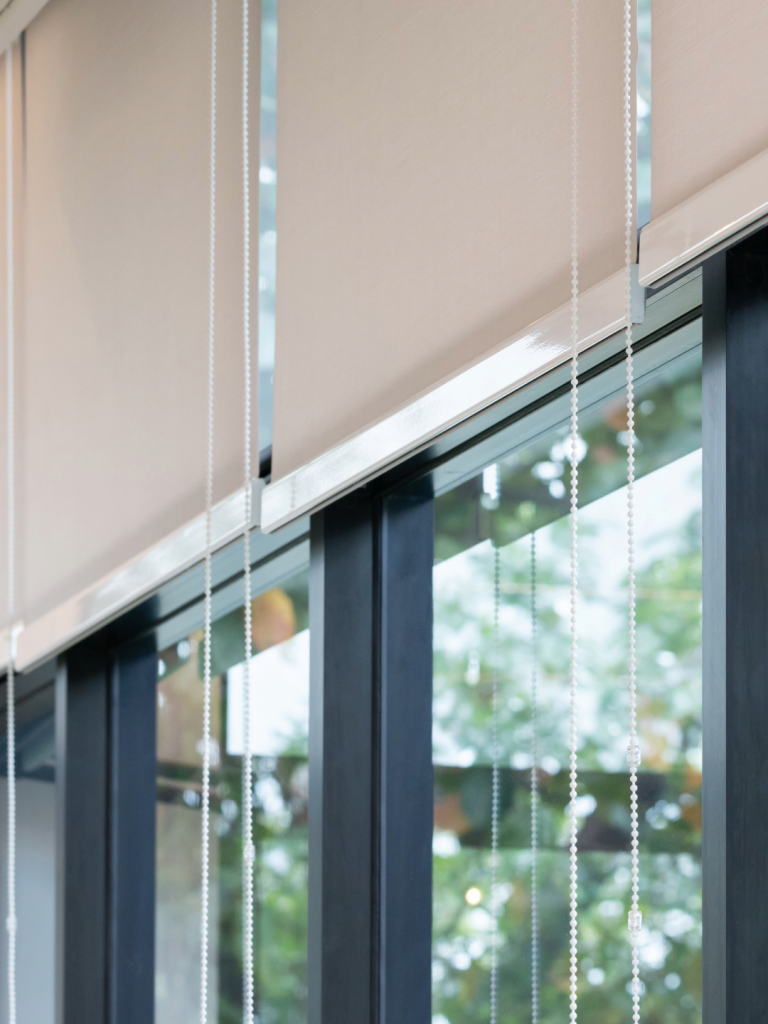
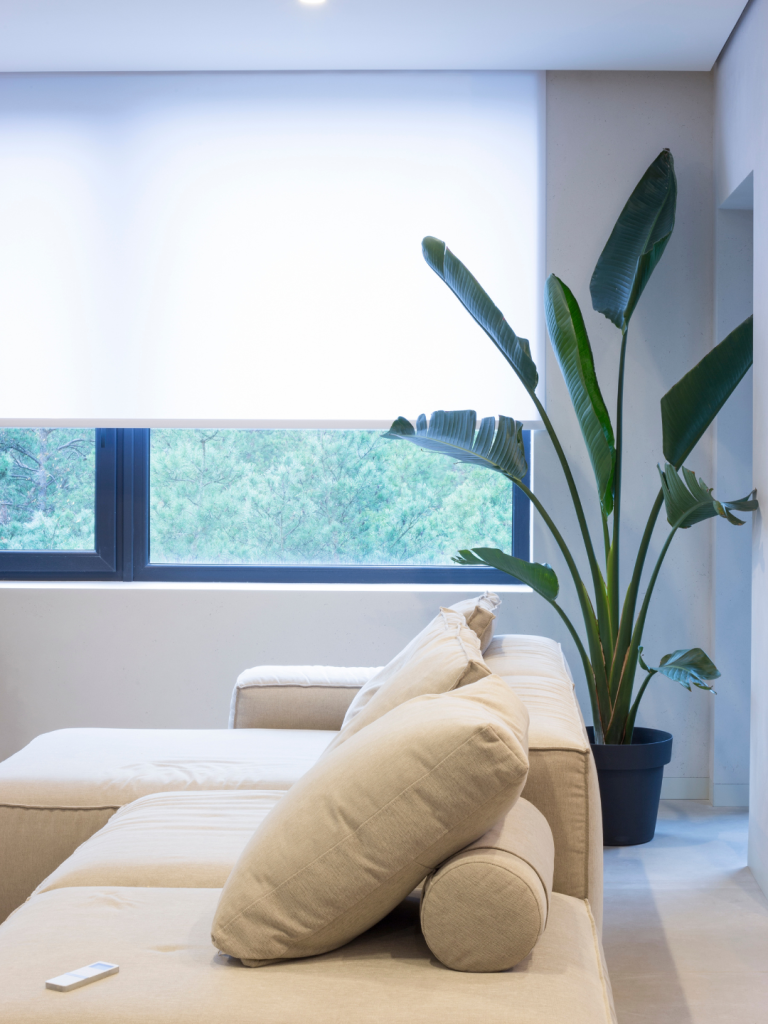
Roller blinds are among the most versatile types of window blinds for Singapore homes. They use a single piece of fabric that rolls around a tube installed above the window. When fully raised, most of the fabric is stored neatly at the top, creating a clean and uncluttered appearance.
Their simple shape works well with minimalist, Scandinavian, contemporary and modern luxury interiors. Homeowners can also choose from light-filtering, sunscreen, dimout and stronger room-darkening fabrics according to the purpose of the room.
For a deeper look at fabrics, room choices, motorisation and installation details, read our full roller blinds Singapore guide.
Why choose roller blinds?
- Clean and modern design
- Relatively space-efficient
- Easy everyday operation
- Wide selection of colours and fabrics
- Suitable for many different rooms
- Simple surface for regular maintenance
Best locations
- HDB and condo bedrooms
- Living rooms
- Study rooms
- Home offices
- Dining areas
- Service yards
What should you consider?
A roller blind covers the window with one continuous fabric panel. It does not provide the layered light adjustment of zebra blinds or the directional control offered by Venetian slats.
However, its straightforward operation, broad fabric selection and clean design make it a reliable all-round choice for many HDB and condo homes.
Explore BlindXpert roller blinds2. Zebra Blinds: Flexible Daytime Light and Privacy Control
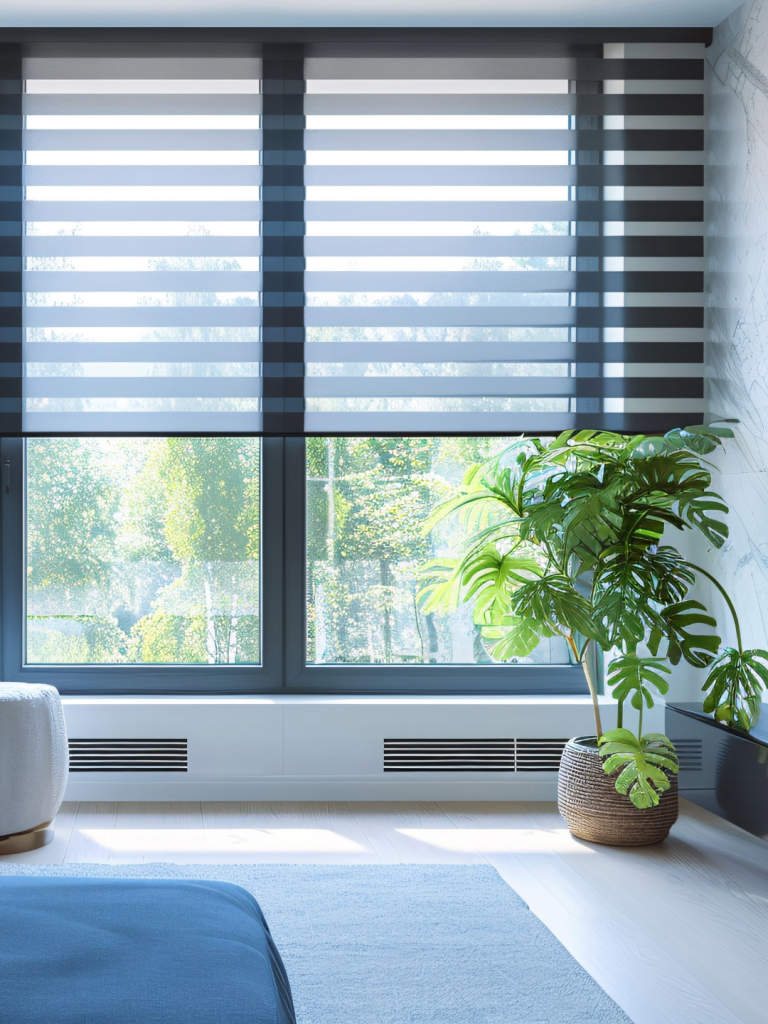
Zebra blinds are also known as day-and-night blinds, dual shades or combi blinds. They are constructed with alternating horizontal sections of sheer and solid fabric.
As the two fabric layers move past each other, the sheer and solid sections can be aligned or overlapped. This allows homeowners to adjust the amount of daylight and visibility without fully raising the blind.
Why choose zebra blinds?
- Flexible light adjustment
- Adjustable daytime privacy
- Modern layered appearance
- Convenient daily operation
- Good balance of function and design
Best locations
- Living rooms
- Dining rooms
- Home offices
- Study rooms
- Bedrooms that do not require complete blackout
What should you consider?
Standard zebra blinds are designed for flexible light filtering rather than total blackout. Small amounts of light may still enter through the fabric, alternating sections or edges.
For a light-sensitive bedroom where darkness is the main priority, a suitable room-darkening roller blind, honeycomb blind or curtain combination may be more appropriate.
Explore BlindXpert zebra blinds3. Honeycomb Blinds: Privacy, Insulation and Flexible Operation
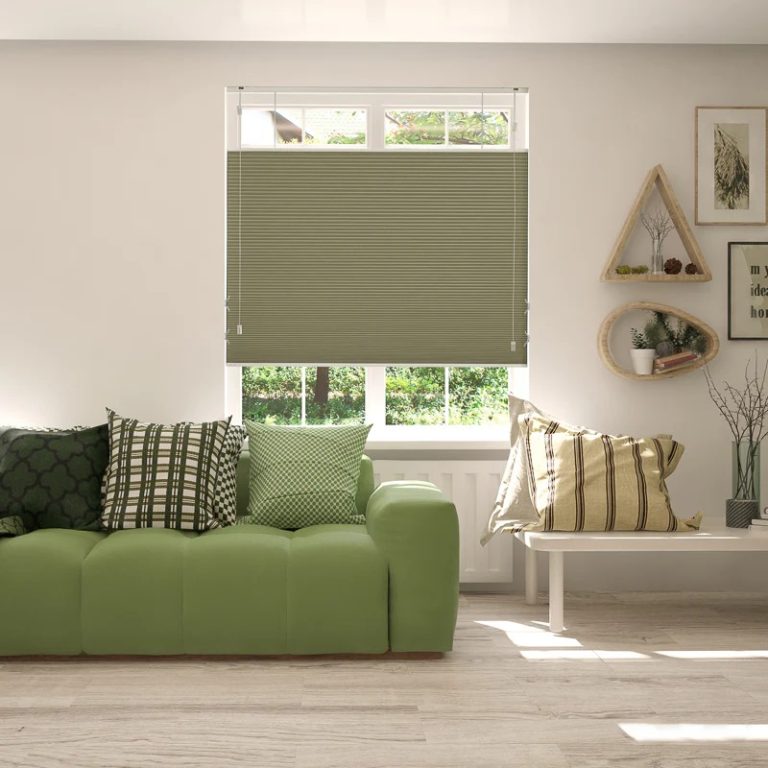
Honeycomb blinds, also known as cellular blinds, are made from pleated fabric that forms a series of cells when viewed from the side. These cells create an additional air layer between the window and the room.
Their cellular structure may help reduce direct heat transfer through the window, although actual performance depends on the fabric specification, installation method, window type and overall fit.
Why choose honeycomb blinds?
- Compact and structured appearance
- Good privacy coverage
- Light-filtering and darker fabric options
- Cellular insulating structure
- Top-down bottom-up configurations
Best locations
- Bedrooms
- Living rooms
- Study rooms
- Sun-facing windows
- Windows facing nearby buildings
- Homes requiring additional daytime privacy
Why is top-down bottom-up operation useful?
This configuration is particularly useful for windows facing neighbouring blocks, corridors or busy surroundings. The central or lower section of the window can remain covered for privacy while daylight enters through the exposed upper section.
What should you consider?
Honeycomb fabric contains pleated cells, so its cleaning method differs from a flat roller-blind surface or solid Venetian slats. Homeowners should also compare the available opacity levels carefully, as a light-filtering fabric will perform differently from a room-darkening option.
Explore BlindXpert honeycomb blinds4. Venetian Blinds: Precise Control of Light and Viewing Angles
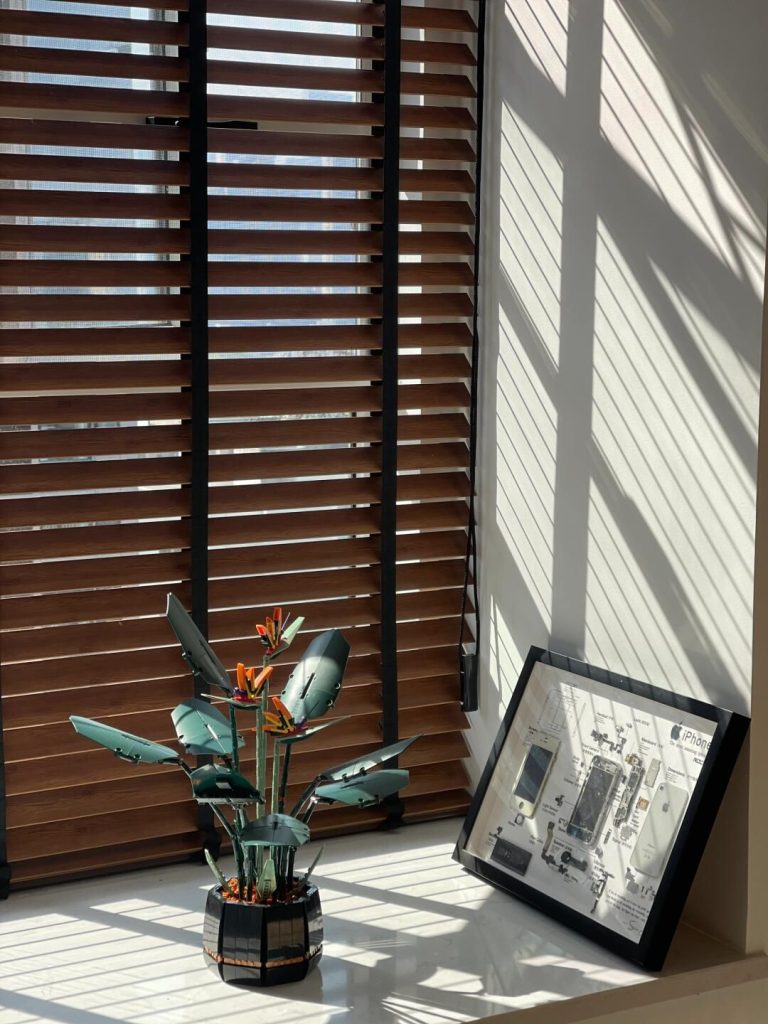
Venetian blinds are made with horizontal slats that can be tilted, raised or lowered. Instead of moving the entire blind whenever the sunlight changes, homeowners can adjust the angle of the slats.
This provides precise control over direct light, glare, outward visibility and privacy. The slats can be tilted to reduce sunlight on a television or computer screen while still allowing natural daylight into the room.
Why choose Venetian blinds?
- Precise control of light direction
- Adjustable privacy and visibility
- Timeless structured appearance
- Different materials and finishes
- Suitable for modern and classic interiors
Best locations
- Home offices
- Study rooms
- Living rooms
- Dining areas
- Kitchens with an appropriate blind material
What should you consider?
Because Venetian blinds contain multiple horizontal slats, dust may settle on their surfaces. They generally require more regular wiping than a single-panel roller blind.
Material selection also matters. Areas exposed to moisture, cooking residue or steam may require a finish that is more suitable for regular cleaning.
Explore BlindXpert Venetian blinds5. Roman Blinds: A Softer and More Decorative Choice
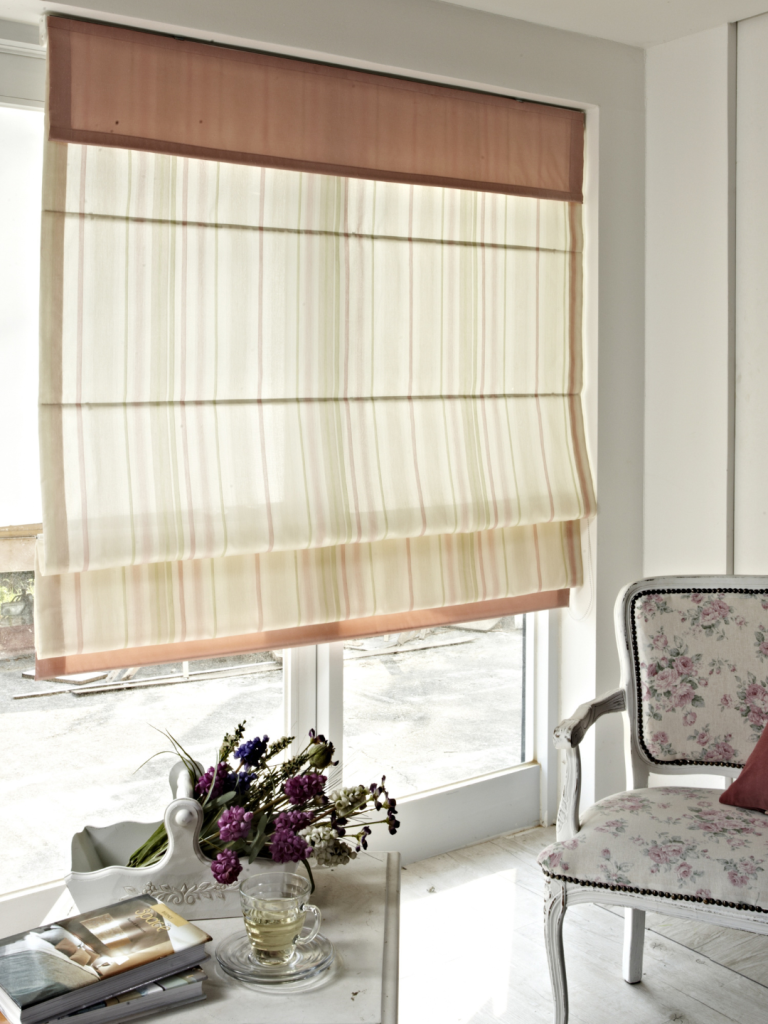
Roman blinds are made from fabric that forms horizontal folds as the blind is raised. They combine the compact operation of a blind with the softer appearance generally associated with curtains.
This makes Roman blinds suitable for homeowners who want their window treatment to contribute to the room’s interior design rather than appearing purely functional.
Why choose Roman blinds?
- Elegant fabric appearance
- Softer alternative to roller blinds
- Wide selection of colours and textures
- Good light and privacy coverage
- Suitable for feature windows
Best locations
- Bedrooms
- Living rooms
- Dining rooms
- Reading corners
- Decorative feature windows
What should you consider?
Roman blinds generally require more fabric than roller blinds and create a thicker stack when raised. Because they are fabric-based, they may not be the first choice for areas regularly exposed to moisture, grease or heavy dust unless a suitable material is selected.
Explore BlindXpert Roman blindsWhich Blinds Are Best for Each Room?
The room’s function should guide the final decision. A blind that works well in a living room may not provide the darkness required in a bedroom.
Living room
- Zebra blinds for flexible daytime light
- Venetian blinds for adjustable viewing angles
- Roller blinds for a minimalist appearance
- Roman blinds for a softer interior style
Bedroom
- Room-darkening roller blinds
- Honeycomb blinds with suitable opacity
- Roman blinds with suitable fabric or lining
- Zebra blinds when flexible light is more important than full darkness
Study or home office
- Venetian blinds for directional light control
- Zebra blinds for regular daytime adjustment
- Sunscreen roller blinds for glare reduction
Kitchen
- Roller blinds with a suitable easy-care surface
- Venetian blinds made from an appropriate material
- Avoid delicate fabrics close to heat, water or cooking grease
Best blinds for west-facing windows
West-facing rooms can receive strong afternoon sunlight. Suitable options may include sunscreen or room-darkening roller blinds, honeycomb blinds, Venetian blinds that redirect direct sunlight, or a layered combination of blinds and curtains.
Manual or Motorised Blinds?
After choosing the type of blind, homeowners should consider how it will be operated.
Manual blinds
Manual blinds may be operated using a chain, cord, handle or another mechanical system.
- Suitable for standard window sizes
- Suitable for easily accessible windows
- Straightforward everyday operation
- Useful when blinds are adjusted occasionally
Motorised blinds
Selected blind systems may be operated with a remote control, switch or compatible smart-home system.
- Useful for large or tall windows
- Convenient for multiple blinds
- Suitable for elderly users
- Can support planned smart-home routines
Motorisation should ideally be considered before renovation work is completed, particularly when concealed wiring or dedicated power points may be required. Battery-powered and other motor configurations may be available depending on the blind system and dimensions.
Learn more about BlindXpert smart-home integration .
How to Choose the Right Blinds for Your Singapore Home
1. Decide how much light you want
Consider whether the room needs soft filtered daylight, glare reduction, stronger room darkening or flexible adjustment throughout the day.
2. Determine the required privacy level
Windows facing another residential block, a common corridor or neighbouring property may require stronger privacy coverage. Zebra, Venetian and top-down bottom-up honeycomb blinds provide different ways to balance privacy with daylight.
3. Consider how the room is used
Bedrooms usually prioritise sleep and privacy. Home offices require glare control. Living rooms may need a balance between natural light, appearance and convenience.
4. Consider cleaning and maintenance
Roller blinds have a relatively simple flat surface. Venetian blinds contain individual slats, while Roman and honeycomb blinds contain folds or cells. Select a design that matches the level of maintenance you are comfortable with.
5. Match the blinds to your interior style
- Minimalist interiors: Roller or honeycomb blinds
- Modern interiors: Zebra blinds
- Warm or natural interiors: Wood-look Venetian blinds
- Soft or elegant interiors: Roman blinds
6. Check the window structure
Window handles, opening direction, recess depth, nearby furniture, curtain tracks and air-conditioning units may affect the installation method.
Measurement and installation checklist
- Window width and height
- Depth of the window recess
- Window handles and locking mechanisms
- Direction in which the window opens
- Nearby cabinets, furniture and air-conditioning units
- Existing curtain tracks or pelmets
- Electrical points for motorised blinds
- Inside-recess or outside-recess installation
Professional measurement helps determine the appropriate installation position and reduces the possibility of the blind interfering with the window, handle or nearby furniture.
Should You Choose Blinds or Curtains?
Blinds are generally compact, structured and easy to adjust. Curtains provide a softer appearance and can cover a larger portion of the wall.
Choose blinds when you want:
- A space-saving window treatment
- More precise light adjustment
- A clean and structured appearance
- Individual control over separate window panels
Choose curtains when you want:
- A softer floor-to-ceiling appearance
- Decorative fabric layering
- Coverage across a wider wall area
- A day-and-night curtain combination
Some rooms can use blinds and curtains together. The blind provides regular light control while the curtains add softness, decoration and additional coverage.
Which type of blind should you choose?
- Roller blinds: For simplicity, practicality and a clean appearance.
- Zebra blinds: For flexible daytime light and privacy adjustment.
- Honeycomb blinds: For privacy, a compact design and cellular insulation.
- Venetian blinds: For precise control of light direction and viewing angles.
- Roman blinds: For a softer and more decorative fabric finish.
Frequently Asked Questions
What are the most popular types of blinds in Singapore?
Popular choices include roller blinds, zebra blinds, honeycomb blinds, Venetian blinds and Roman blinds. Each option provides a different balance of light control, privacy, maintenance and interior style.
Which blinds are best for an HDB flat?
Roller and zebra blinds are versatile options for many HDB rooms. Honeycomb blinds are useful when privacy and flexible opening are priorities, while Venetian and Roman blinds suit specific functional and design preferences.
Which blinds are best for a condo?
The best choice depends on the condo’s window size, direction and interior design. Zebra, Roman and motorised blinds are often considered for modern living spaces, while roller and honeycomb blinds provide a cleaner and more understated appearance.
Which blinds are easiest to maintain?
Roller blinds generally have a straightforward surface and simple structure. However, maintenance also depends on the fabric, finish, room environment and installation position.
Can indoor blinds be motorised?
Selected blind systems may be available with motorised operation, depending on the blind type, dimensions, motor compatibility and power requirements.
Are zebra blinds suitable for bedrooms?
Zebra blinds can be used in bedrooms when flexible light control is the priority. Homeowners requiring stronger room darkening may prefer another blind fabric, honeycomb system or a layered curtain solution.
Are honeycomb blinds suitable for privacy?
Yes. Honeycomb blinds can provide good privacy, while top-down bottom-up configurations can cover the central or lower section of the window and still allow daylight through an exposed upper section.
Find the Right Blinds for Your Home
Compare materials, colours and operating systems with BlindXpert. Arrange a consultation and receive a quotation based on your window measurements, room requirements and preferred type of blind.